Games
Early on, my college career goal was to create games, but at the time the only programming courses were those for accounting, inventory, payroll. In fact, my first job was a database operator for a local bank. There was literally no direct path to creating games save what you learned yourself.
I took the long way around, via film, to begin my work in games. And the creativity, the possibilities in our modern games reminds me of the early era of visual effects, where the sky was the limit. I like wearing many hats, training teams, working within proprietary software and different approaches to the cinematic narrative. But I also enjoy working with teams to elevate our shots. And the basics of visual composition and lighting, however, remained constant from my film experiences.
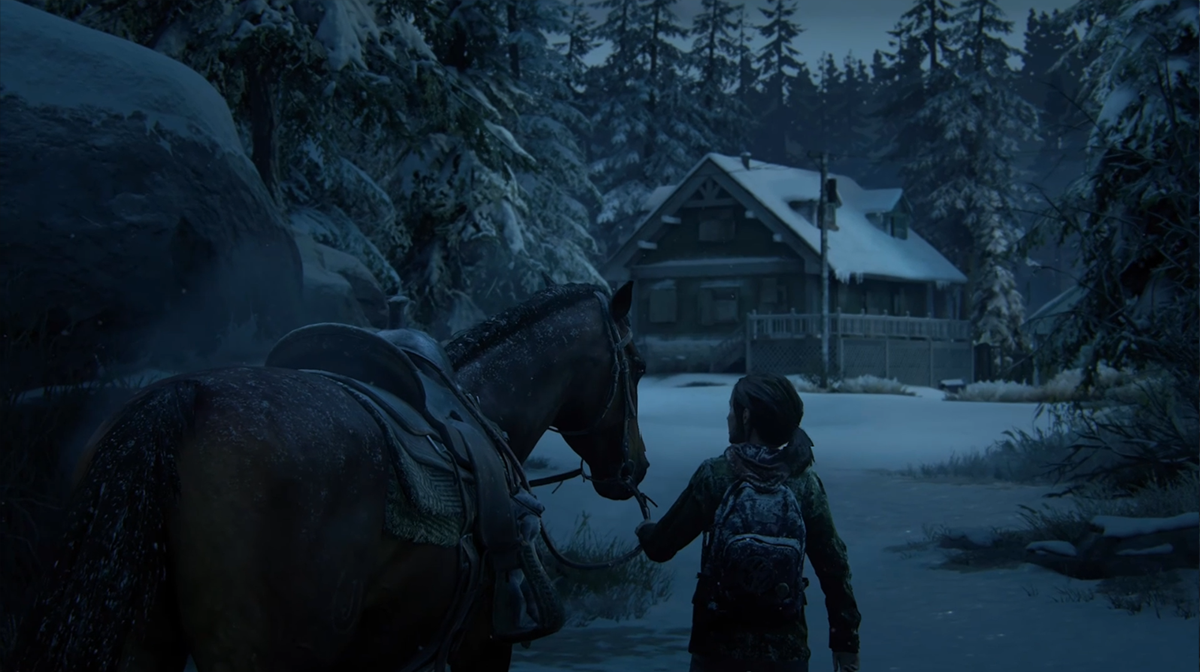
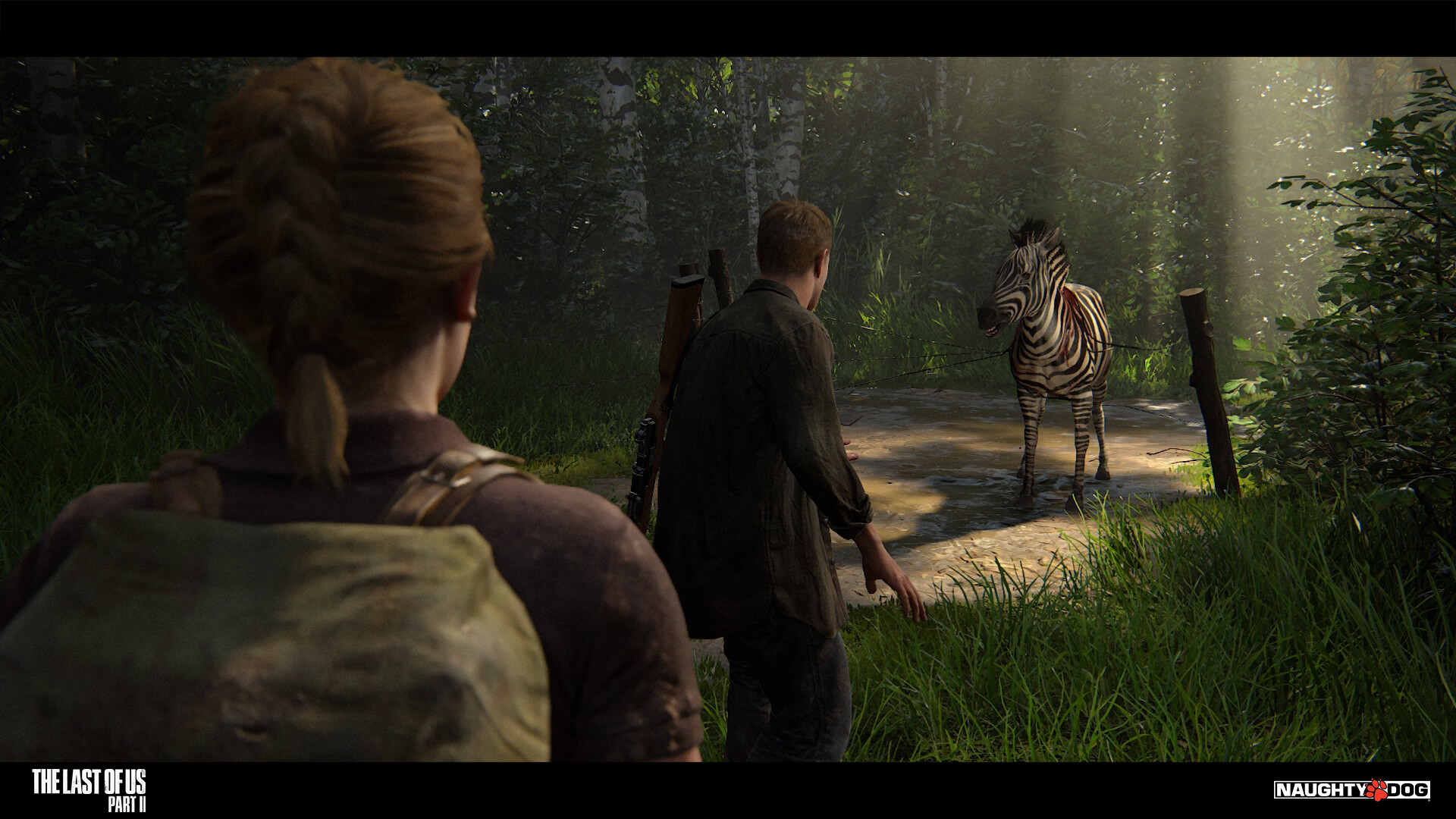
Telling a strong story requires a well-lit environment, inside and outside of specific narrative cinematics. Here are two examples from my work, in the first I lit everything, level and characters. For the zebra cinematic, I took the base level lighting pass and reworked the local area to focus on the zebra, god rays and all.
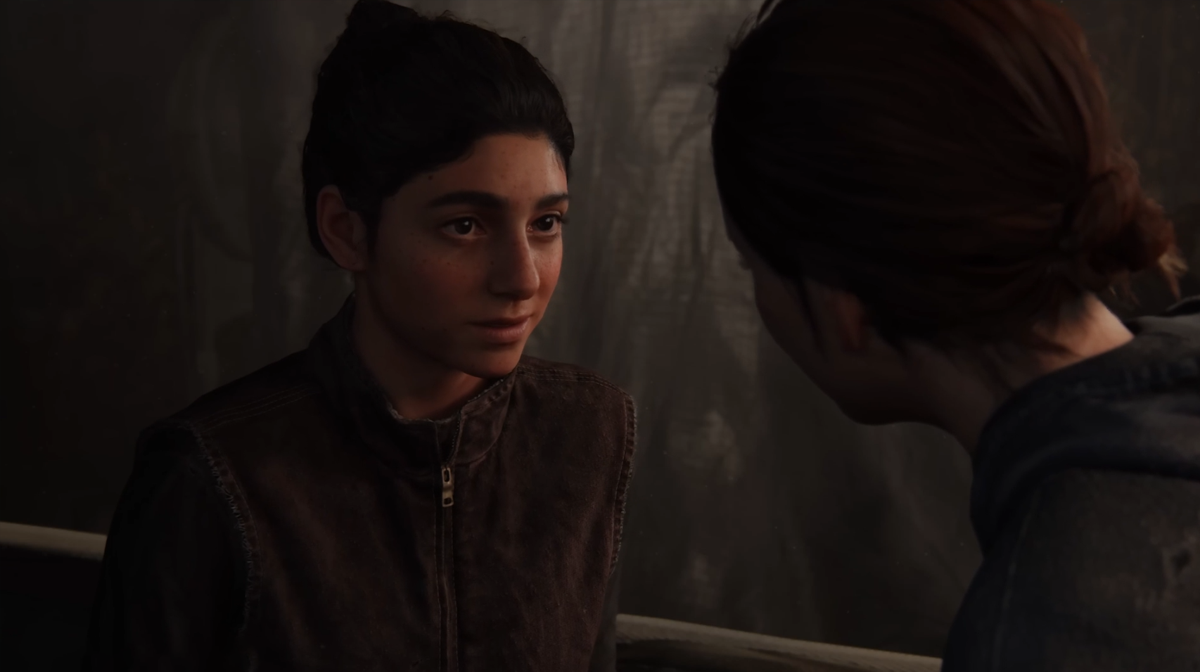
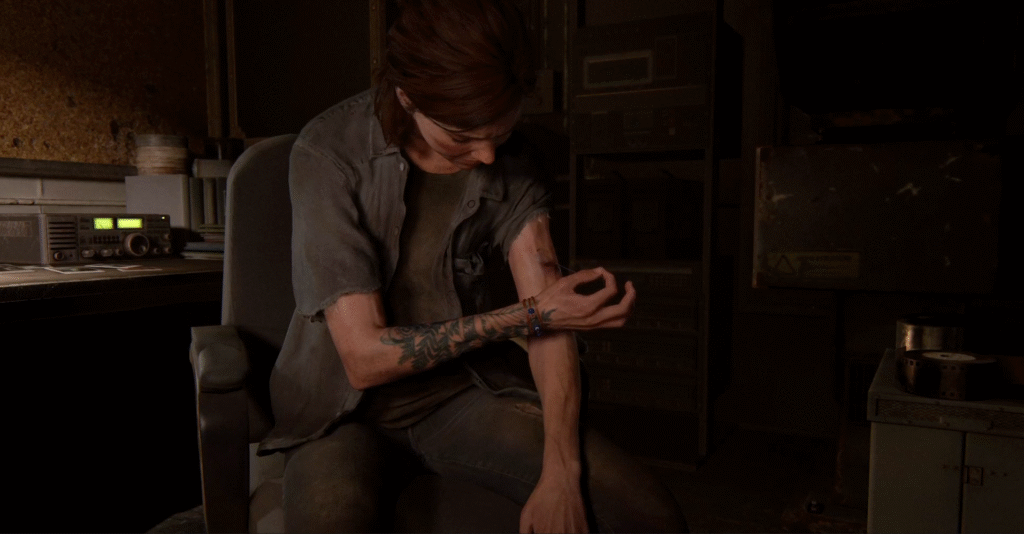
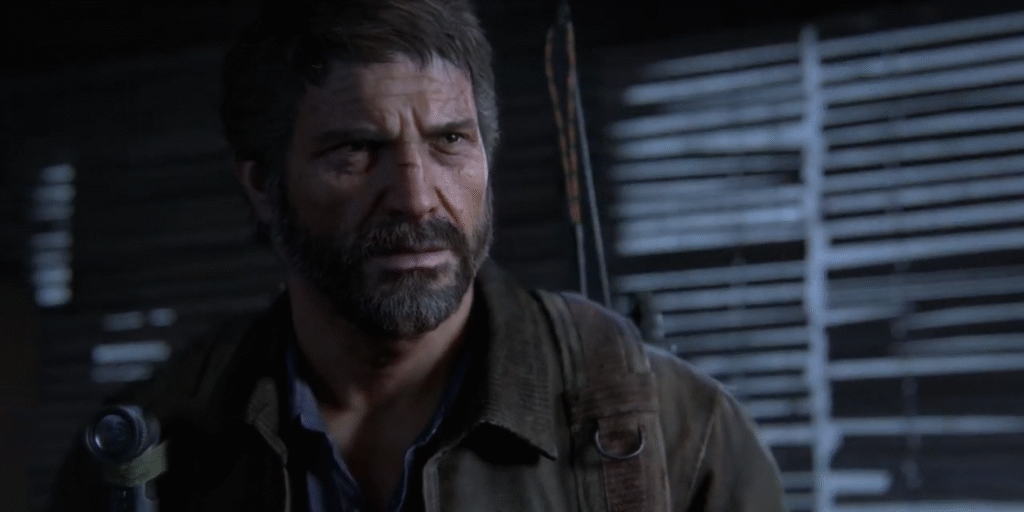
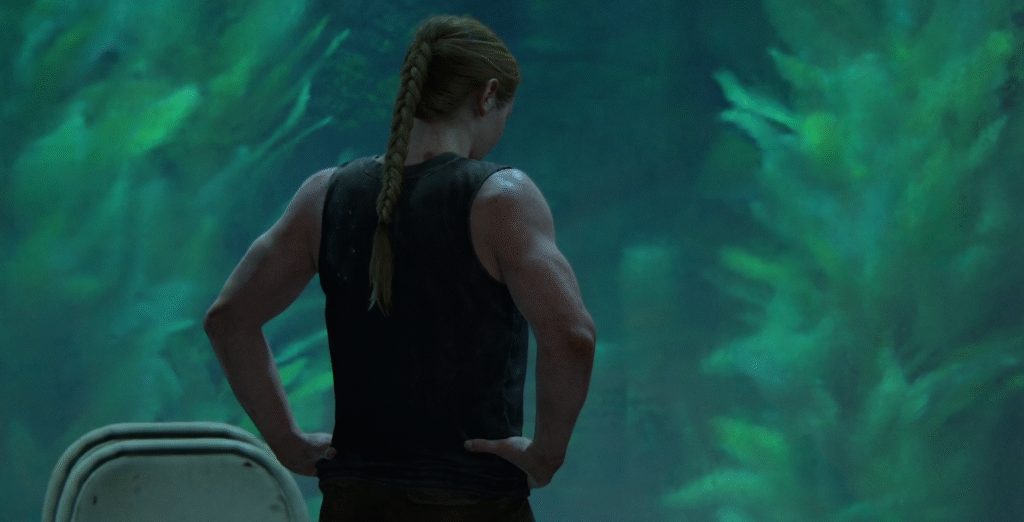
Below is a cross section of cinematic lighting I’ve done. The Last Of Us was the perfect vehicle for strong, evocative cutscenes.
I love the ability in games to shape the characters and environments with lighting – the ability to turn the form, describe masses and direct the eye. As in film, evocative lighting brings the story to life.
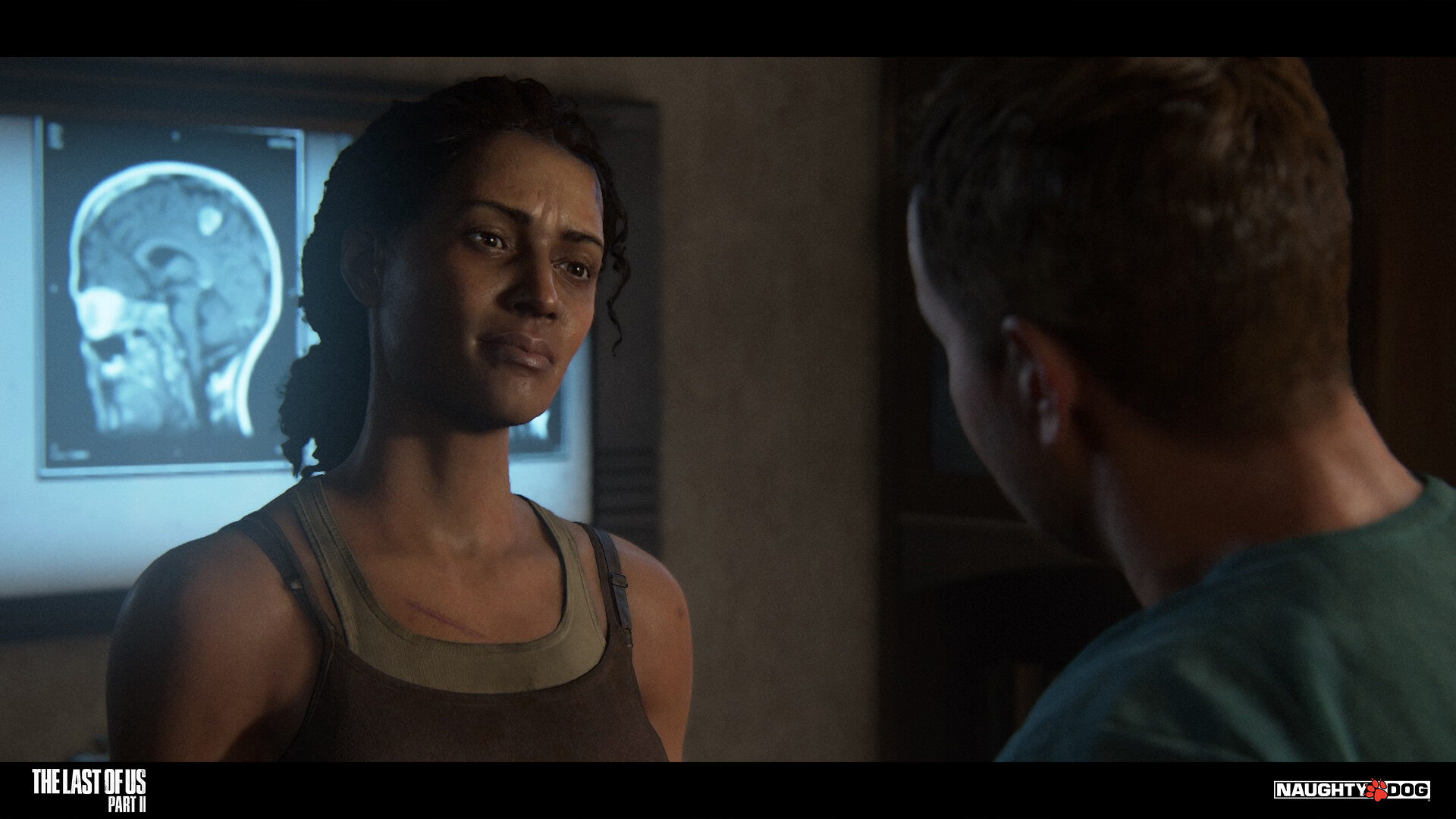
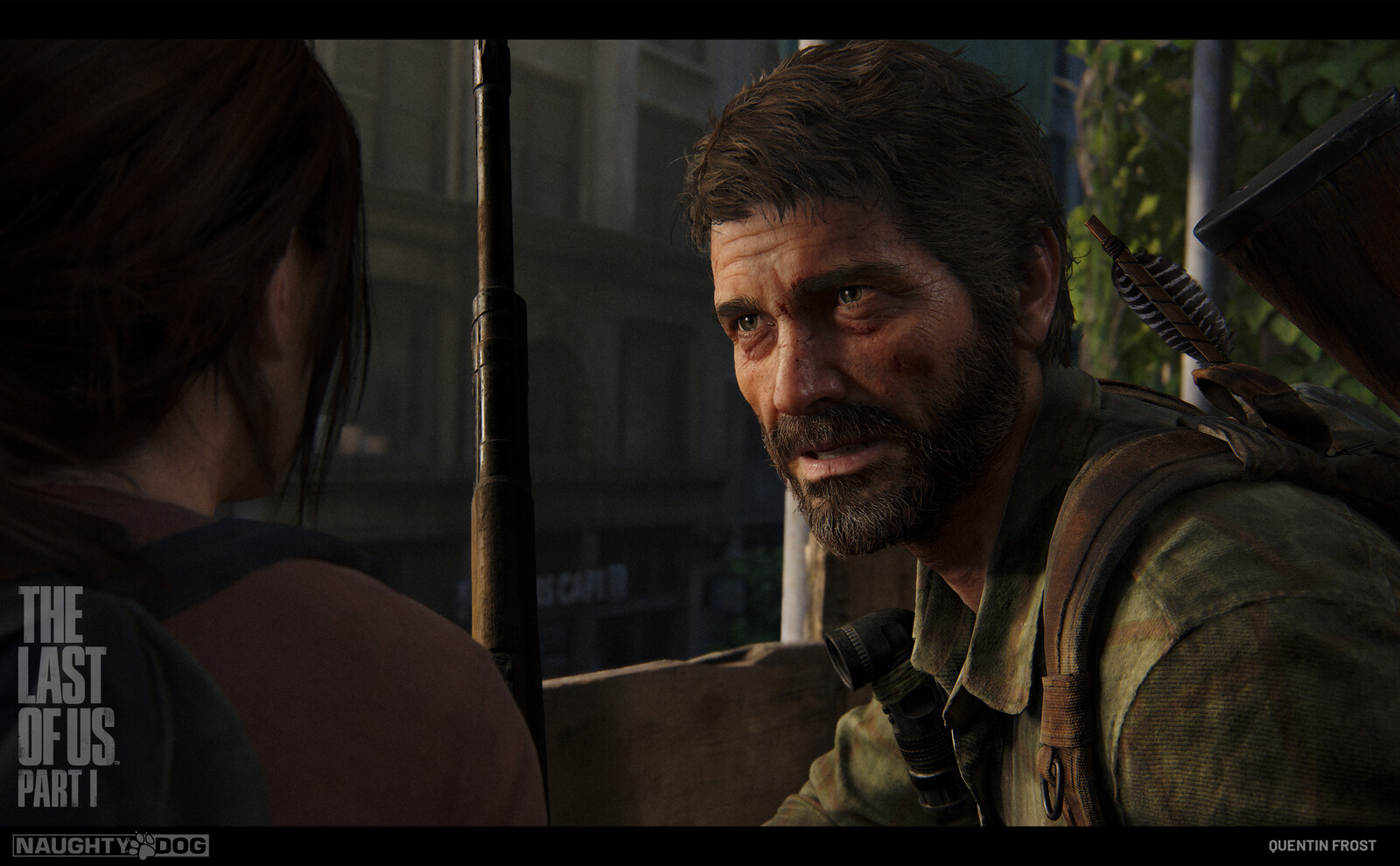
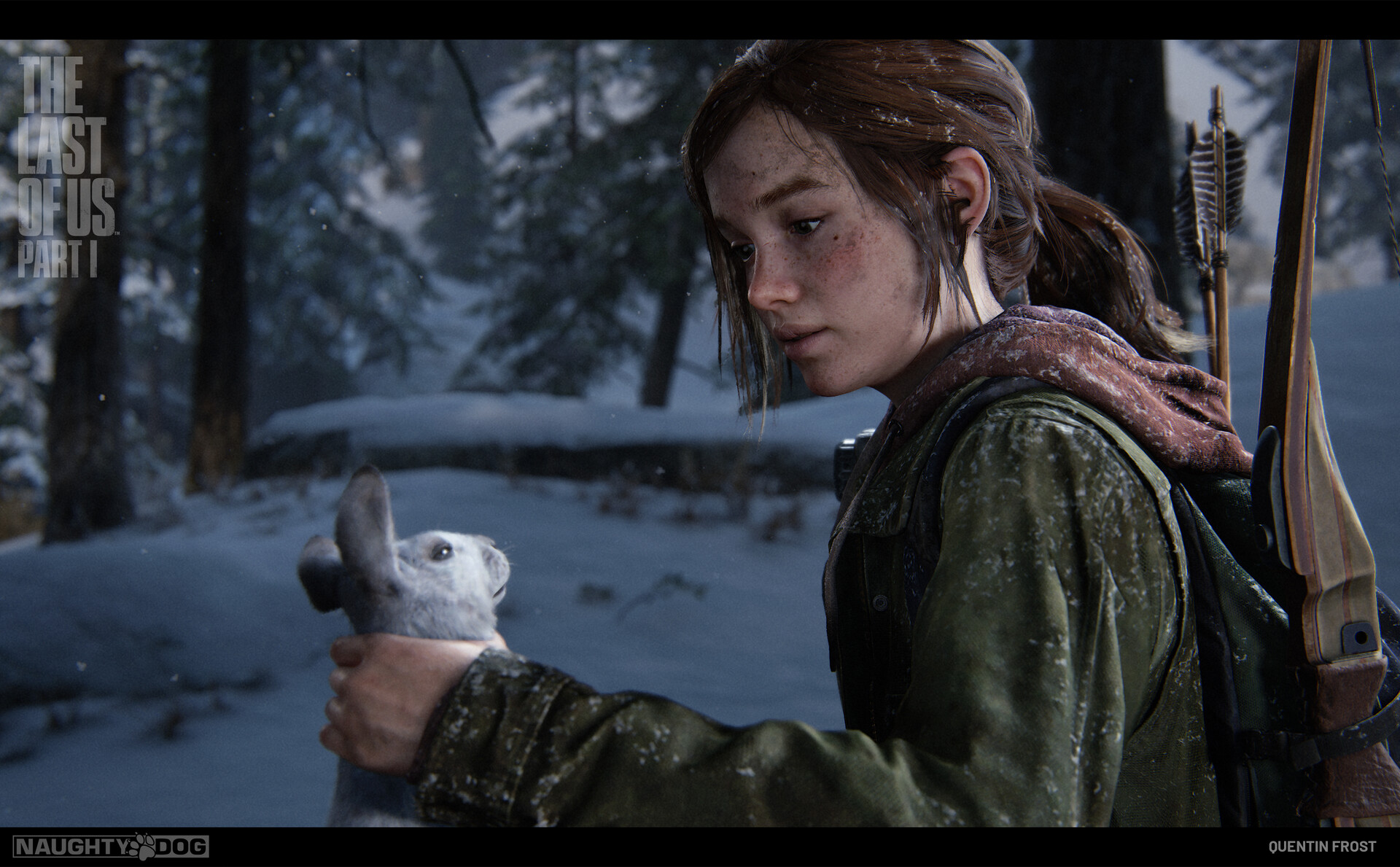
While I could talk about the aspects of lighting in detail, I feel the technical challenges of complex cinematics often get overlooked. Below is an example of a seamless transition between cinematic, ICG (in-game cinematic), back to cinematic, and then blended back into gameplay. I will also add I had two seperate results that could trigger, depending on how fast the player freed Ellie.
One more thing about this particular scene. Our pipeline did not have light-linking, which means anytime you have characters moving around each other, you have to do far more work to get your lighting to shape only where you want. Couple that limitation with the need to keep our lighting budget in line for FPS, and you can understand some of the reward I felt for accomplishing this complex moment.