Film Work
I’ve worked on many films, and within that time I’ve also worn many hats. I have been a senior lighter and compositer, technical director, team lead, look development artist, and even generated promotional art on a grand scale (billboards and 40ft tall, 12K banners).
For clarity, I’ve divided this section into two major categories – lighting/compositing, look development.
Lighting and Compositing
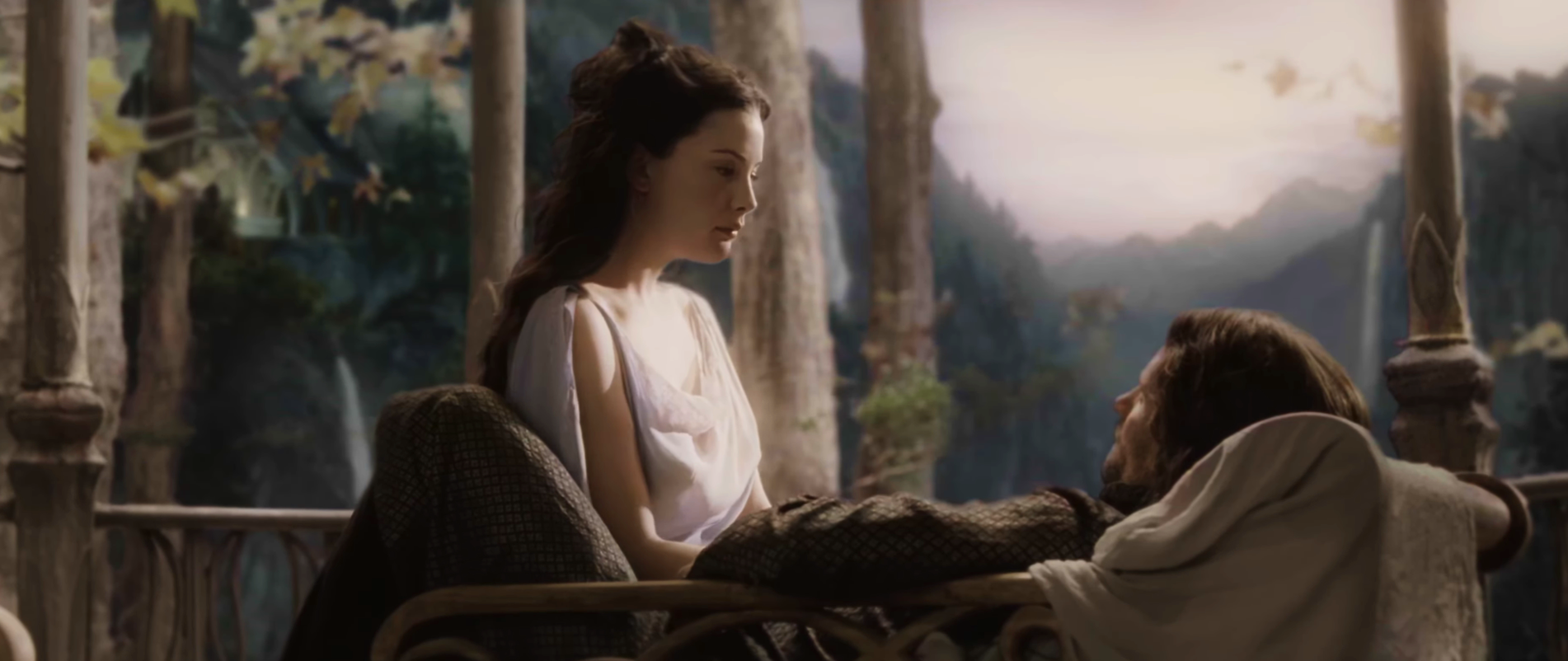
When you’ve done a number of films for various studios, it’s hard to place them cleanly into a single group. Every film is unique, whether live action or animated. Some required the creation of sets via compositing tricks, like Riverdell in Lord of the Rings: Two Towers, and are heavy in tracking and lighting of various elements to match the foreground plate. Others, like Harry Potter and the Sorcerer’s Stone, involve live action plates and rendered elements.
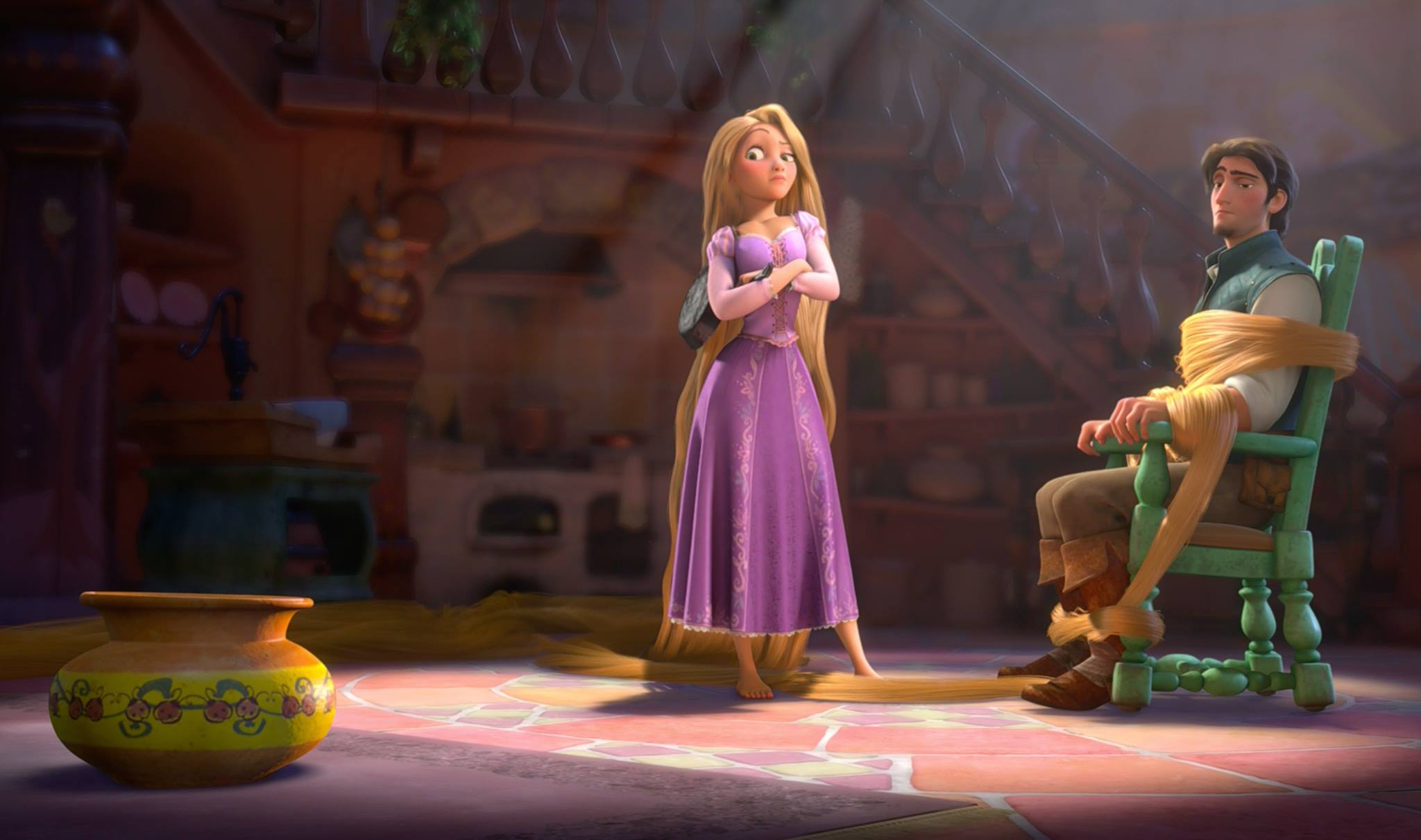
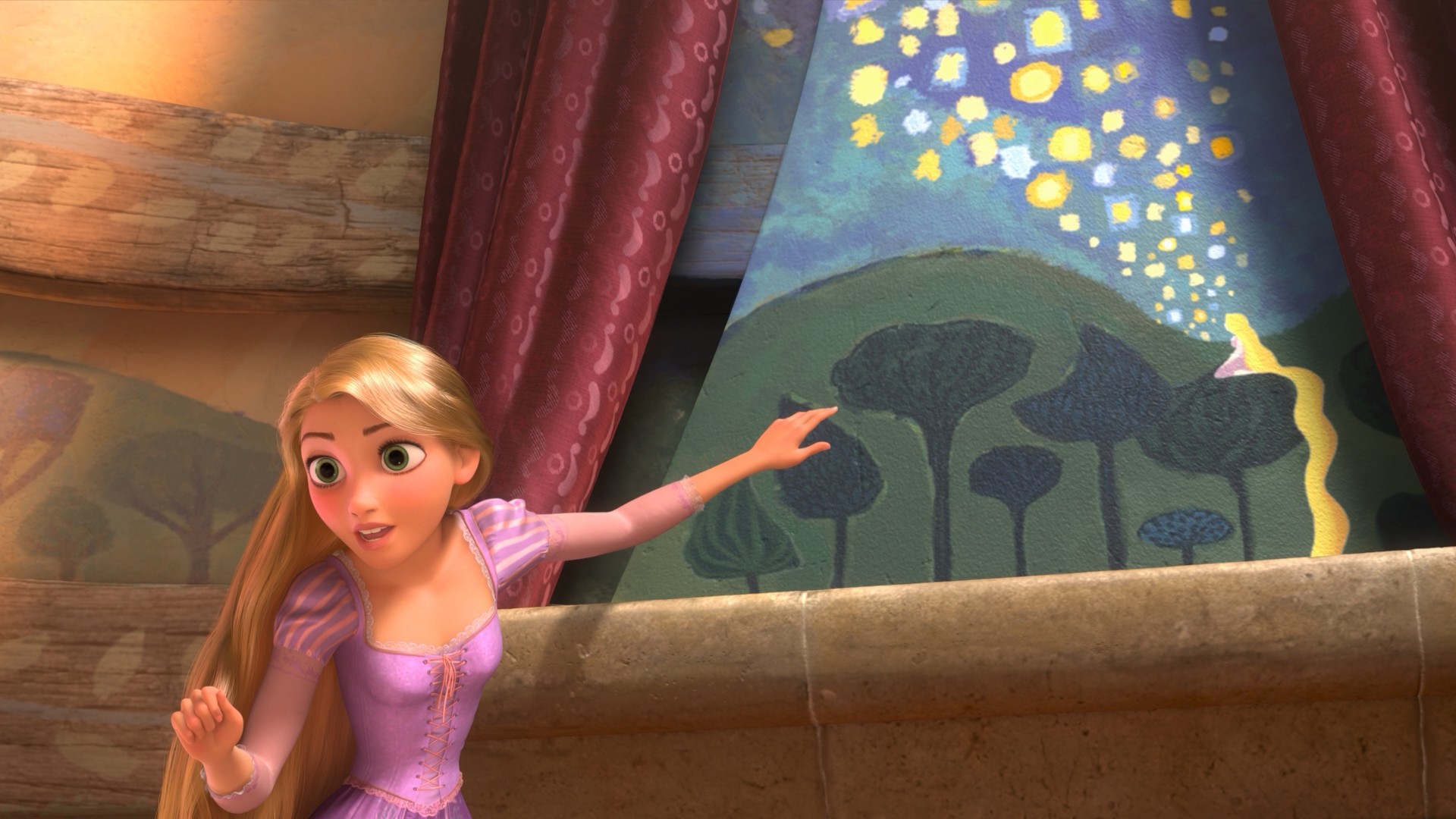
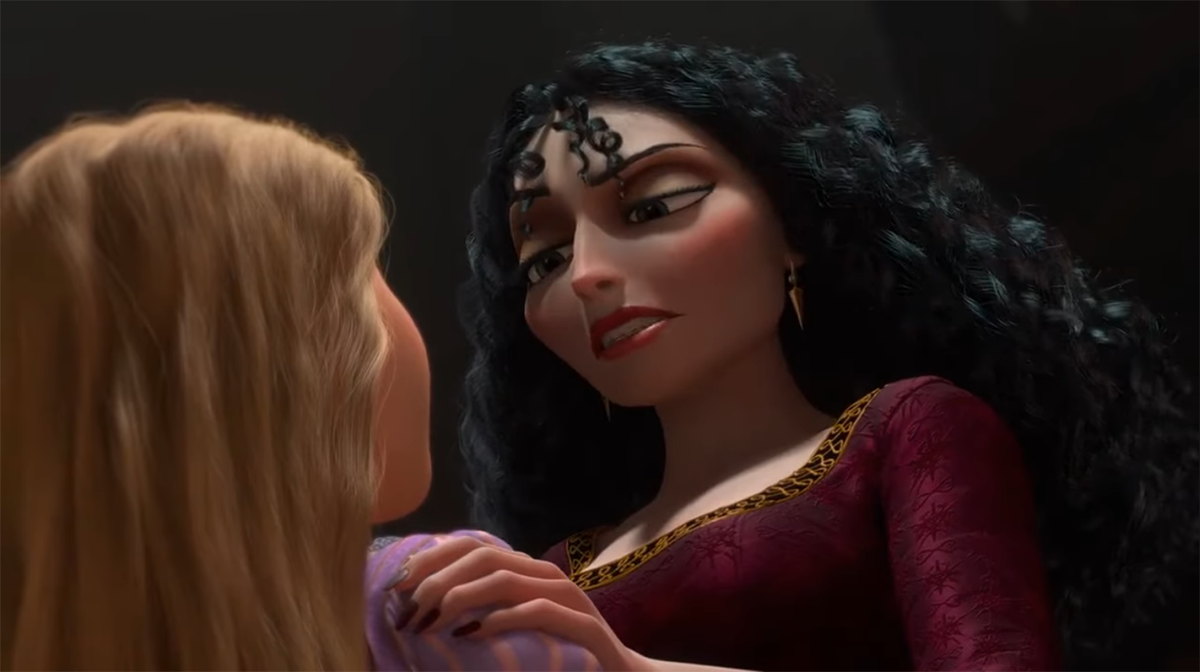
Animated films like Tangled are rich in saturated lighting, where we used an indirect capture of photons (back in the day) to generate shadows that never went muddy and where we rendered everything. Tangled, incidentally, had the additional challenge of 70 feet of Rapunzel’s hair, and the hair shader requiring completely different lighting to generate the proper specular coefficient.
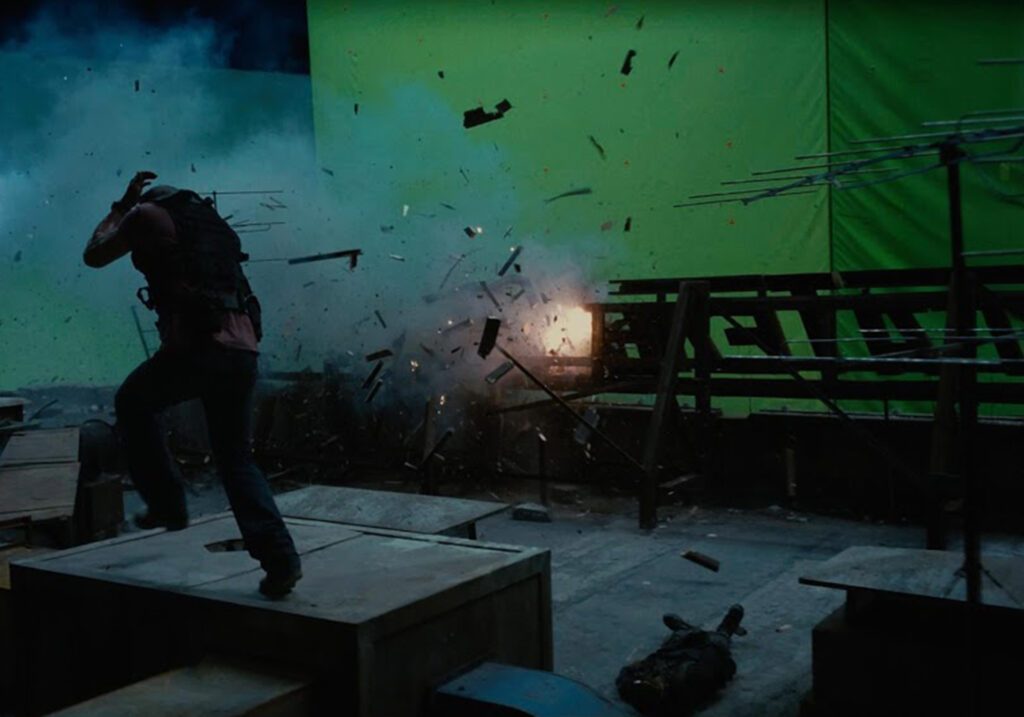
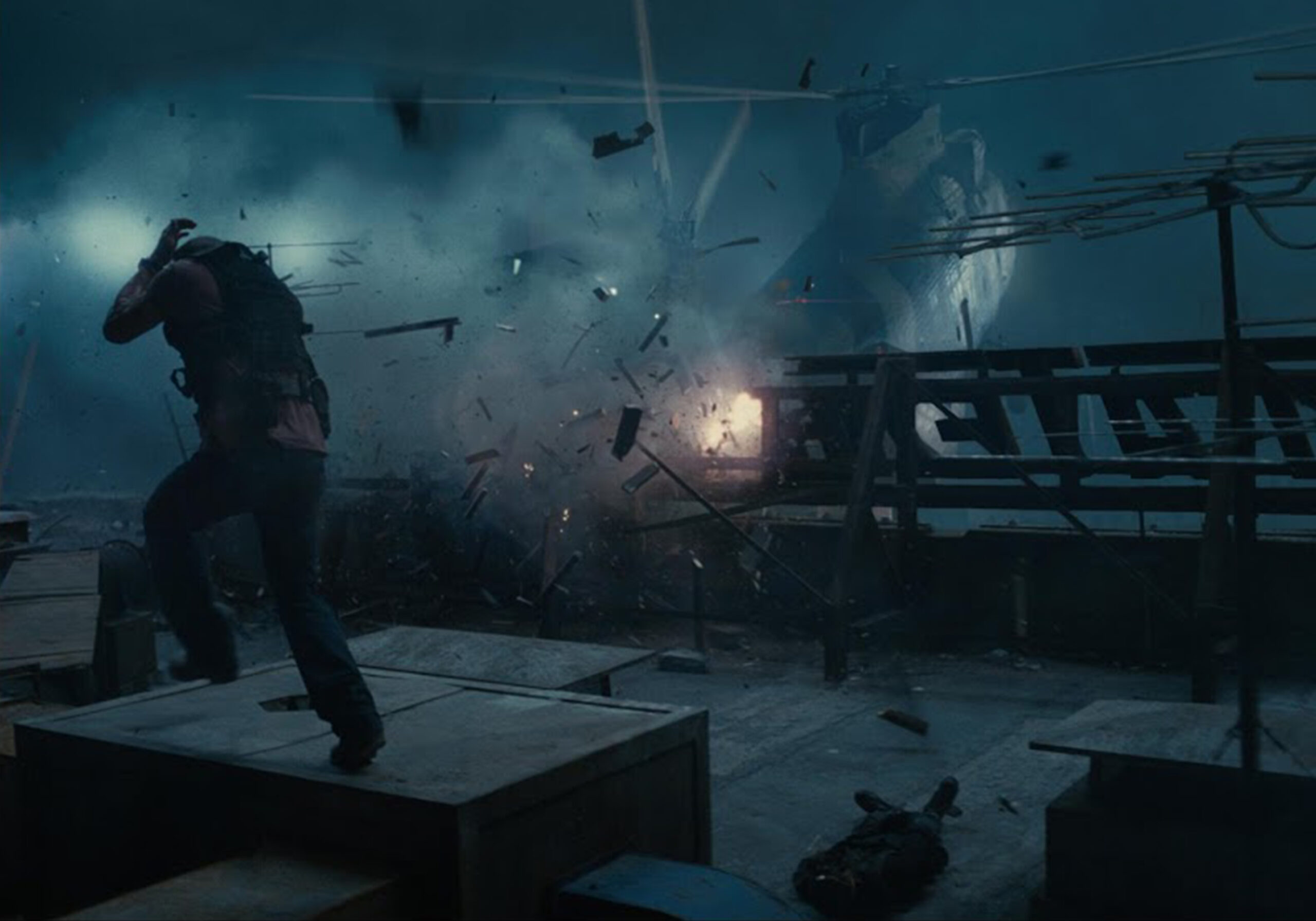
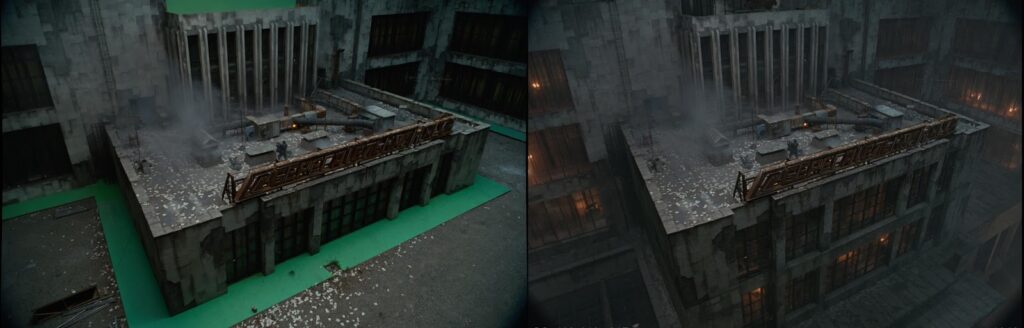
Other times I’d have a more technical problem-solving shot, like this green screen nightmare from A Good Day to Die Hard. The plate didn’t have a continuous green screen. You can’t even see the plywood in the ‘before’ image, but trust me, it’s there to the right. Composition was many, many layers thick as I pieced sections together and also rendered the helicopter as another element. I had to use all the tricks I know and a massive amount of patience. These layers, combined with layers of smoke and other elements, made the final work well.

Look Development
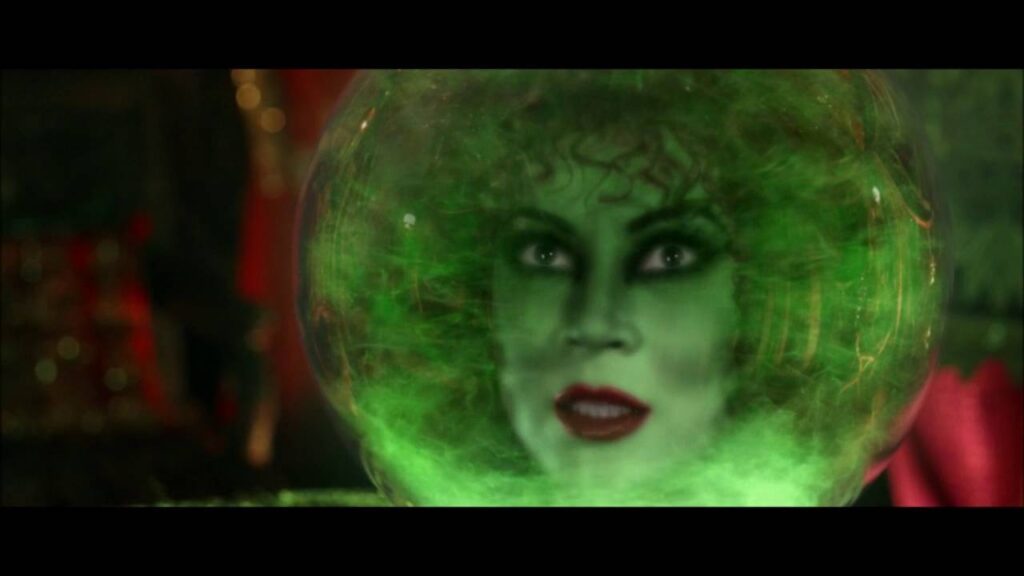
There are times when I’ve been asked to create various elements, in which case I’m involved in key look development. In live action, it might be an effect to process an image to create something unique, like what I did for Madame Leota (The Haunted Mansion).
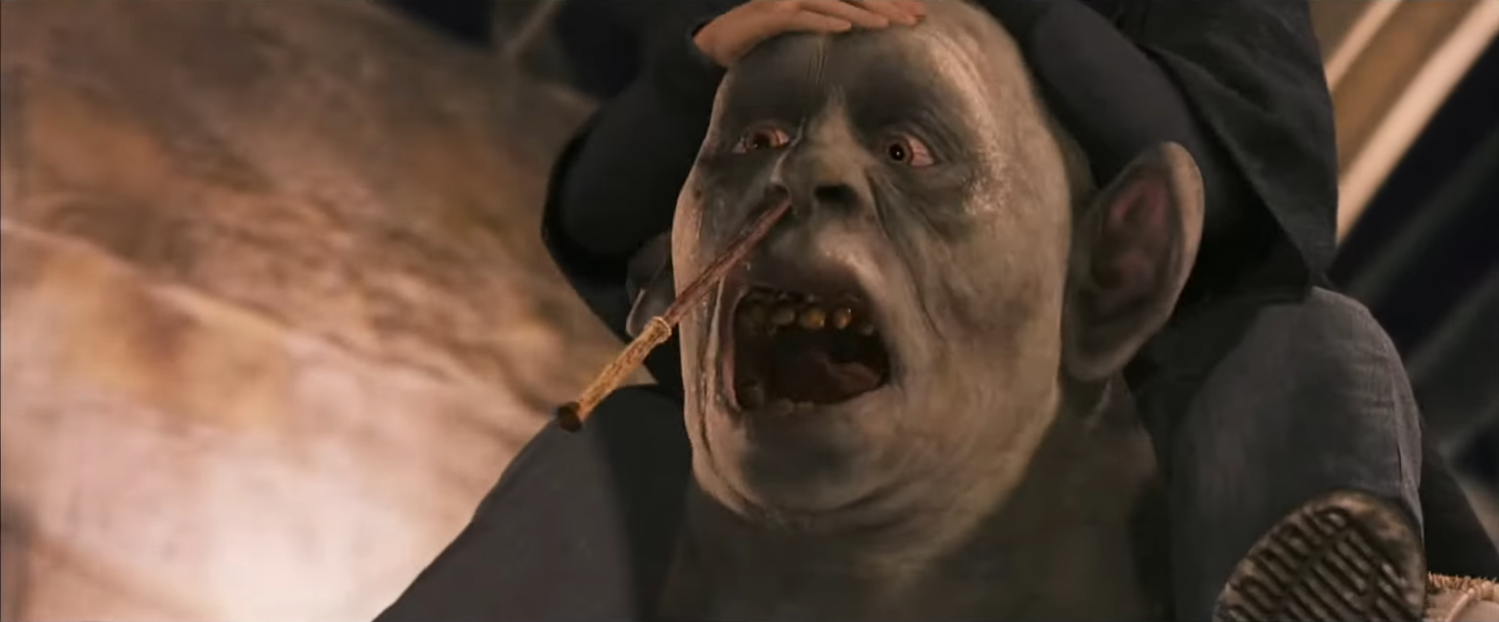
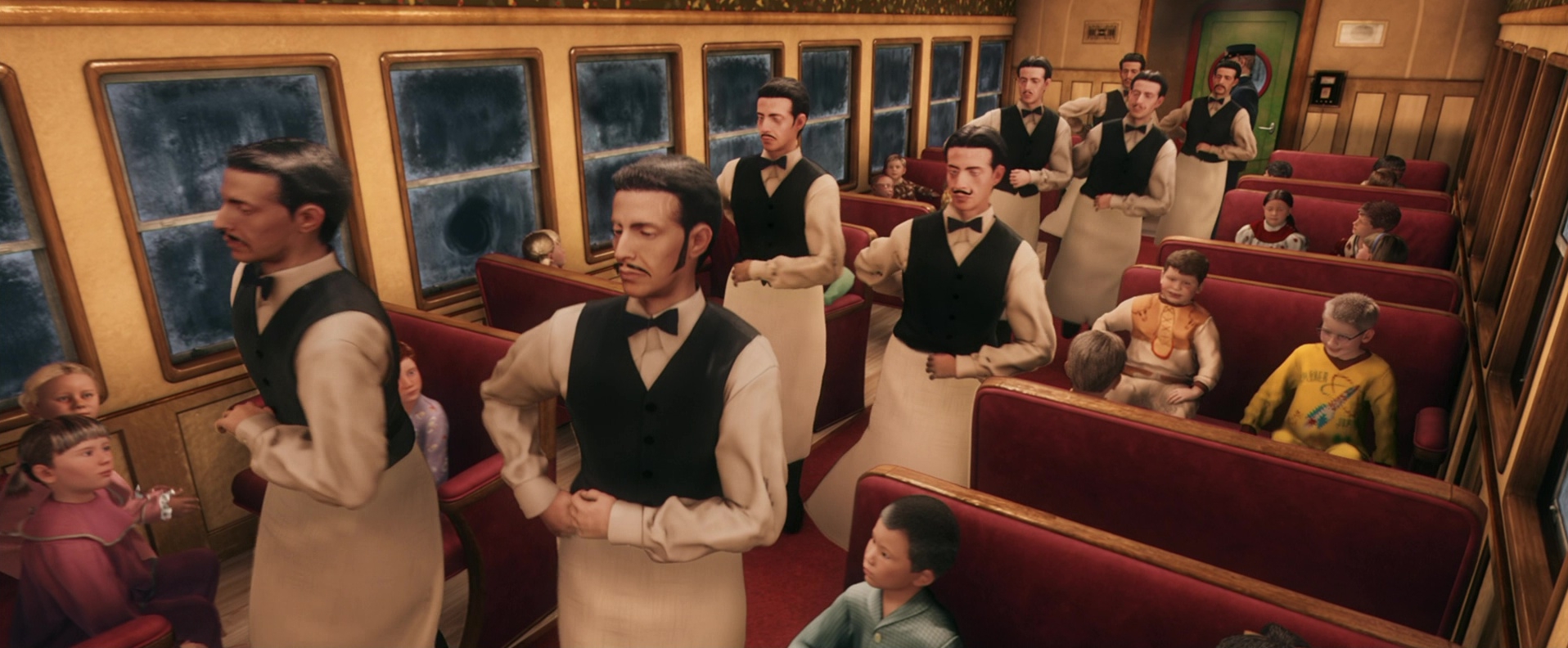
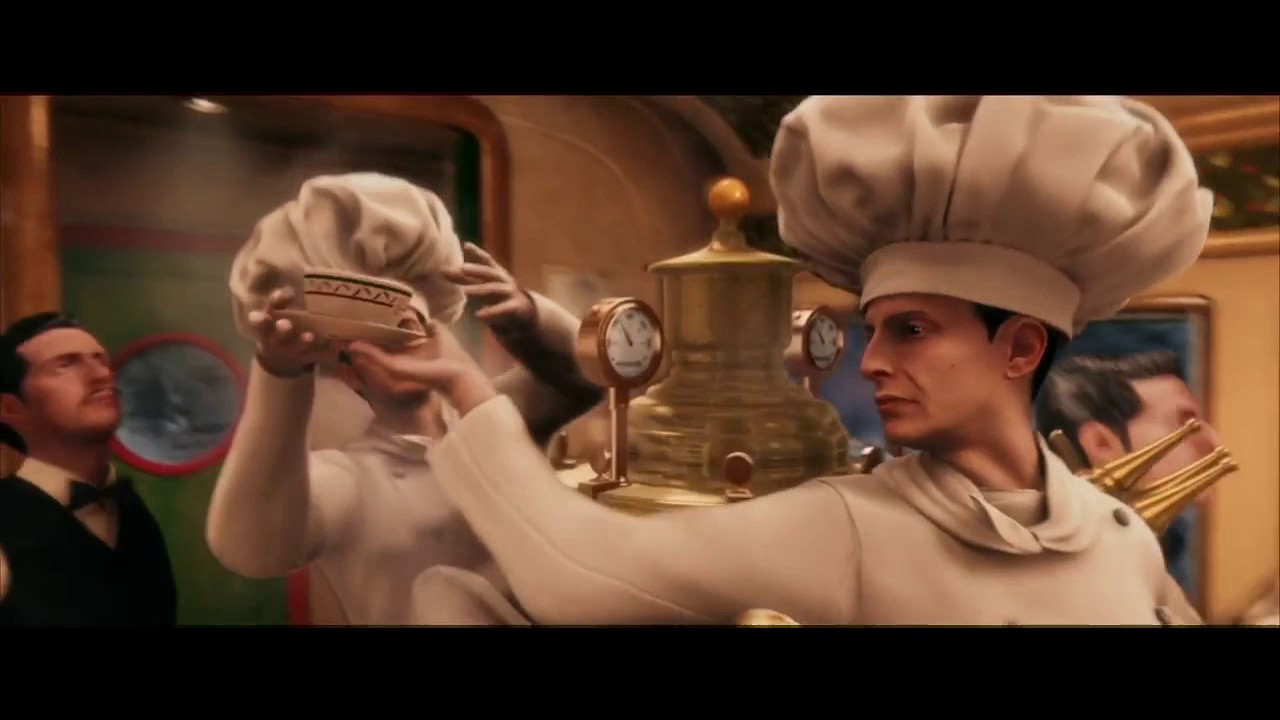
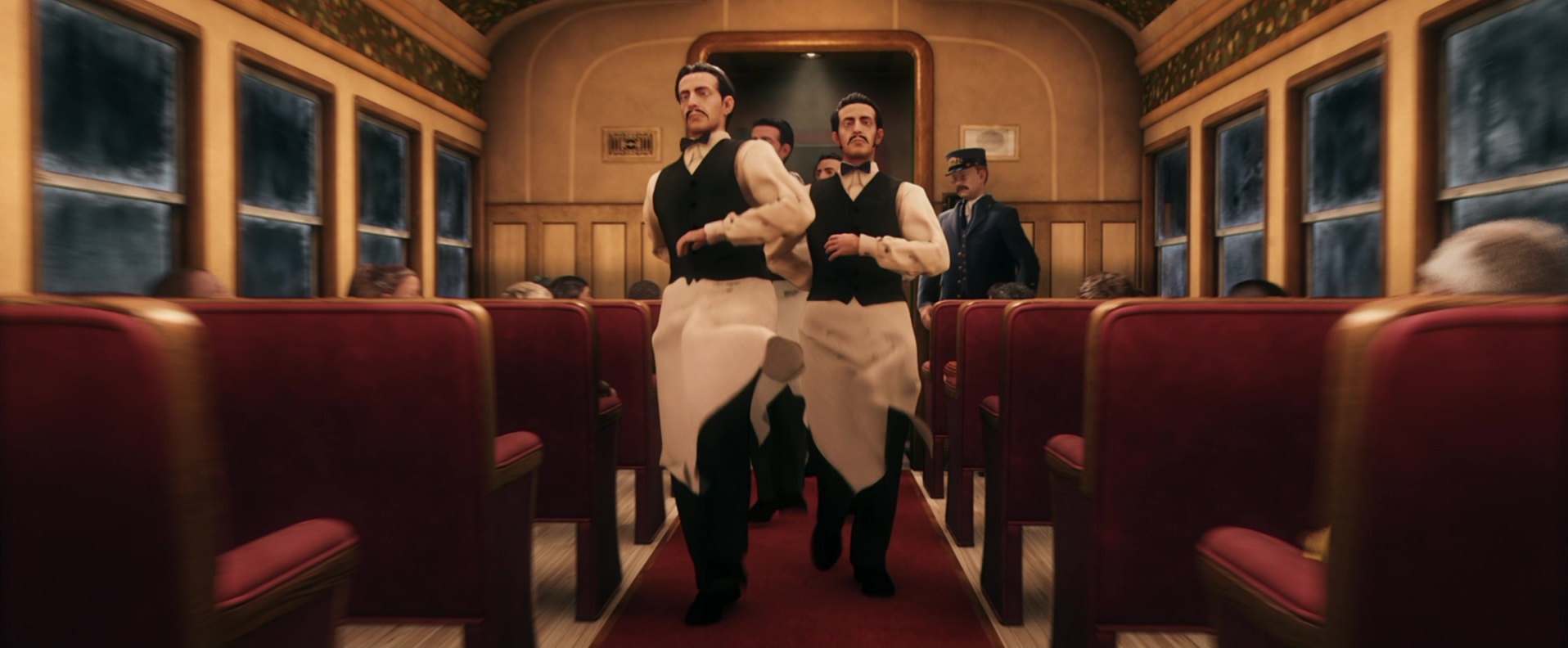
It can be creating the proper shaders for the waiters in Polar Express, where I was given a real costume to recreate. (I also worked on the Chefs). Or it can be part of team, testing various parameters in the shaders for the troll in Harry Potter, as well as lighting and compositing shots.
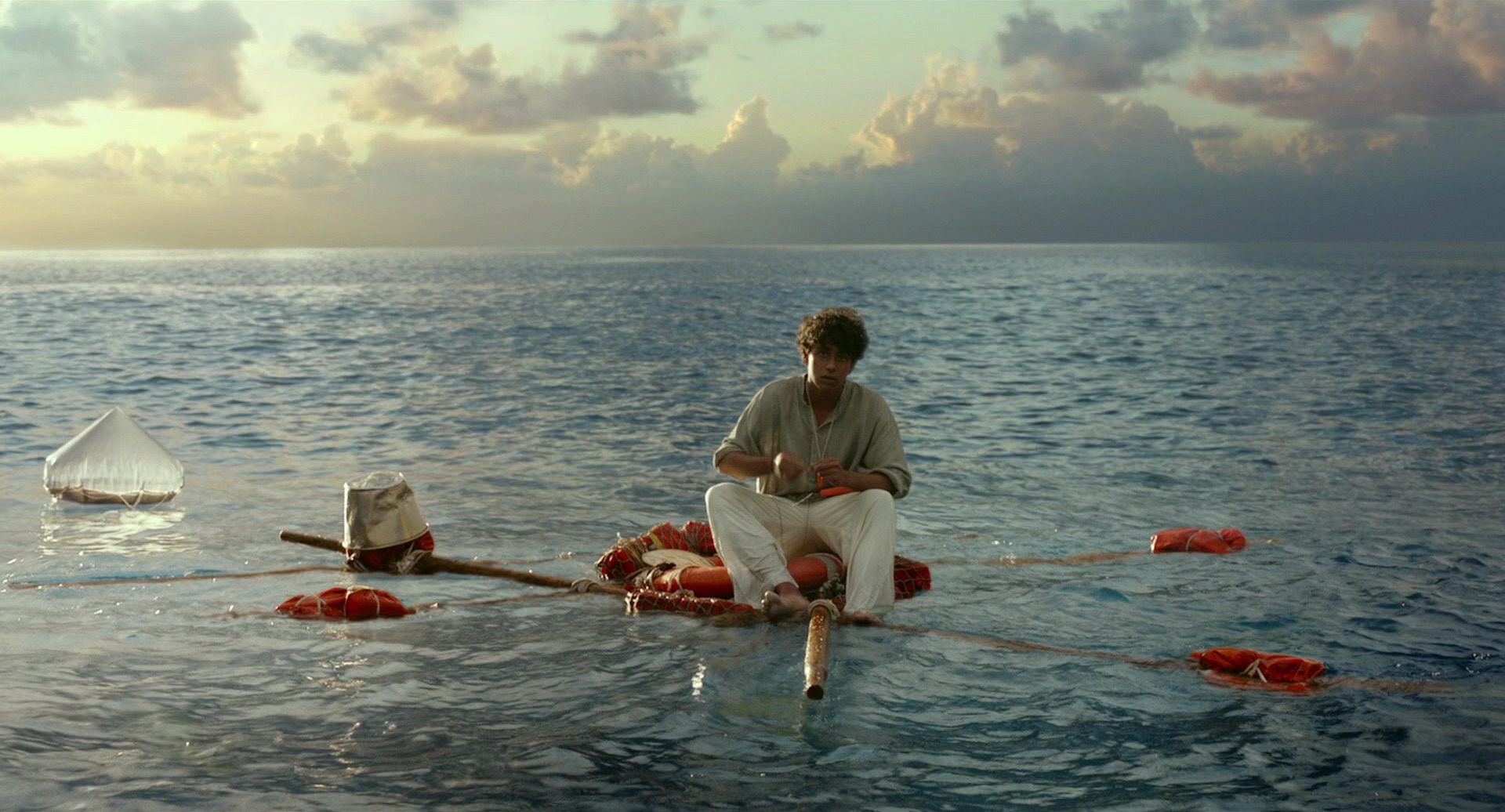
Life of Pi presented an interesting challenge – how do you match the water patterns generated in a small pool to the wave patterns in nature? It involved looking at water in a whole new way, to see not just the current and cross-current, but the effect of wind on frequency and amplitude, and a few more considerations – and this was before we go to churn, foam, refraction and reflections.
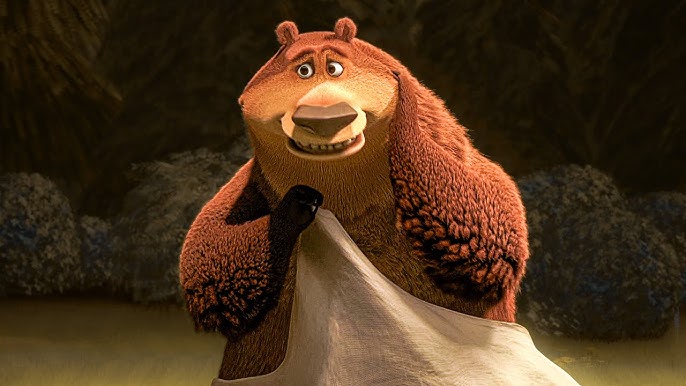
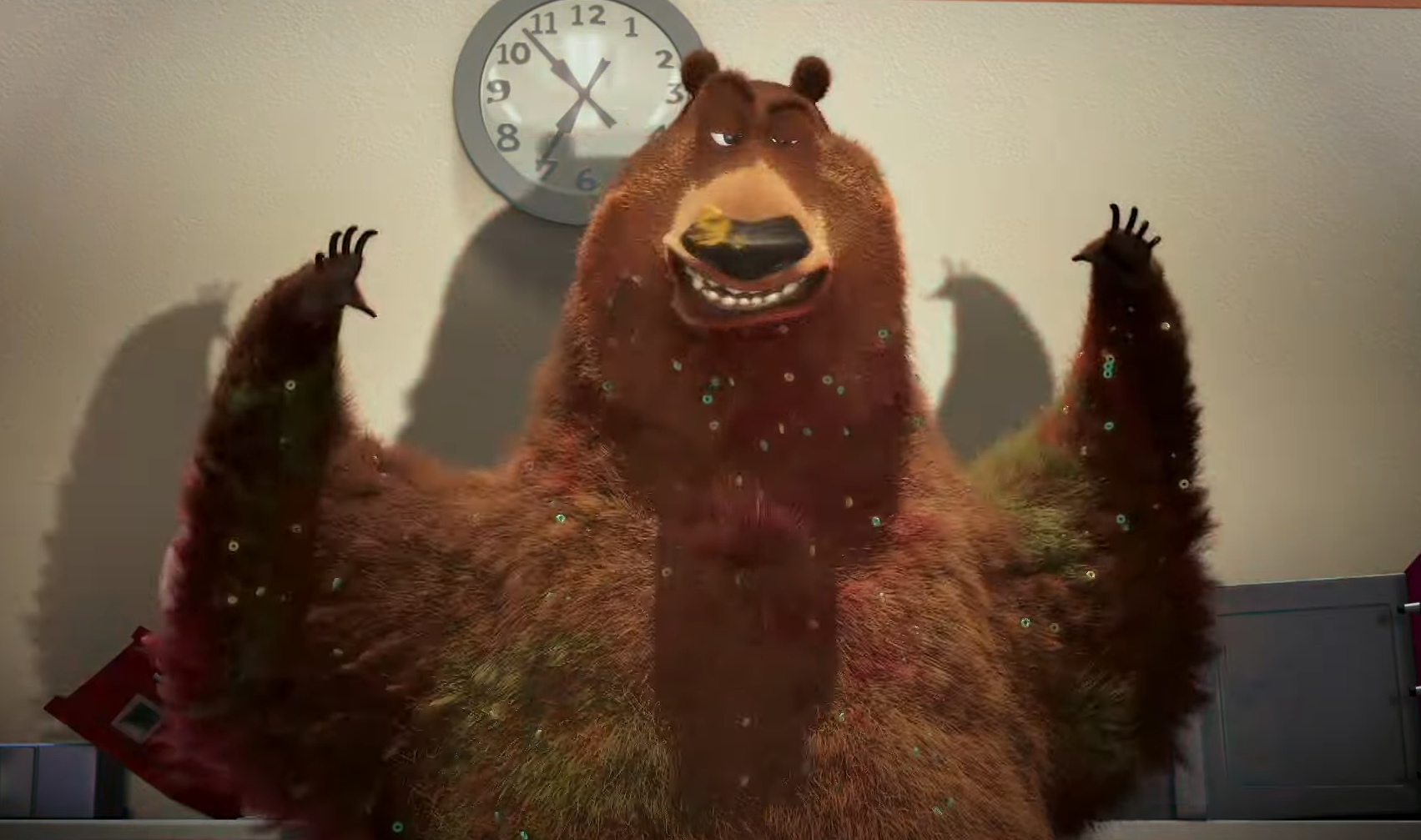
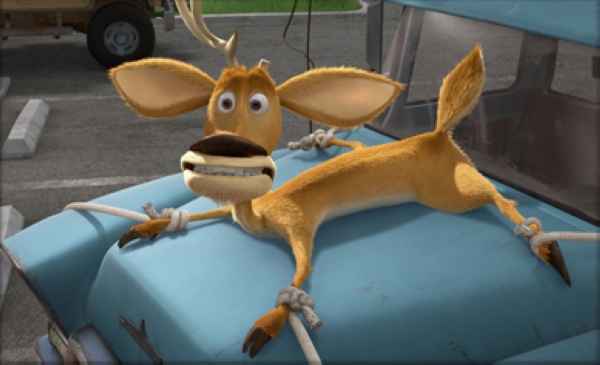
And sometimes it can involve taking and testing different shader models, working directly with the various modeling departments to develop different looks for Boog and Elliot seen here from Open Season. After testing, I then took these models and published them into our systems, supporting the artists in pulling in the variants and updating their shots.
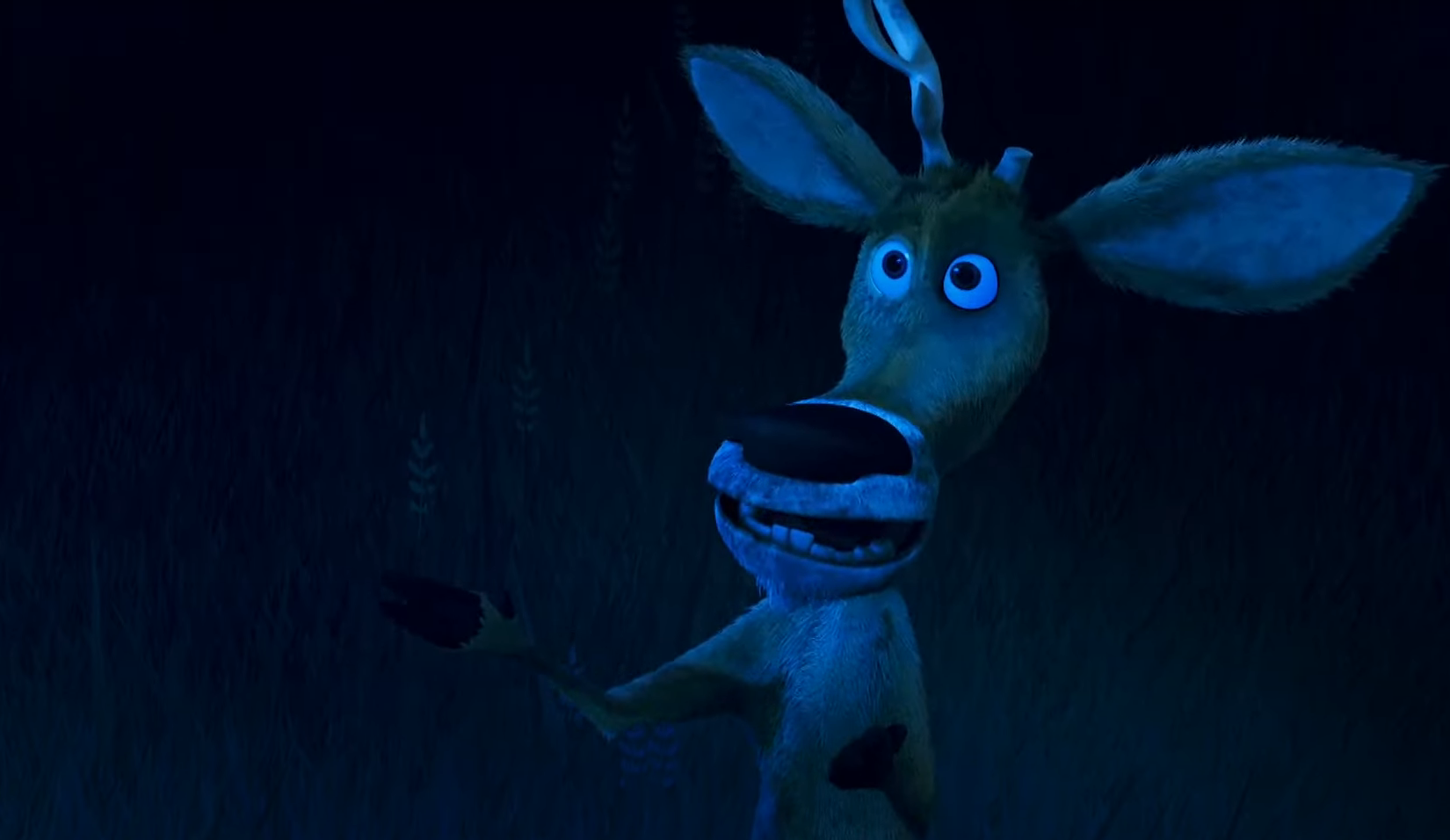
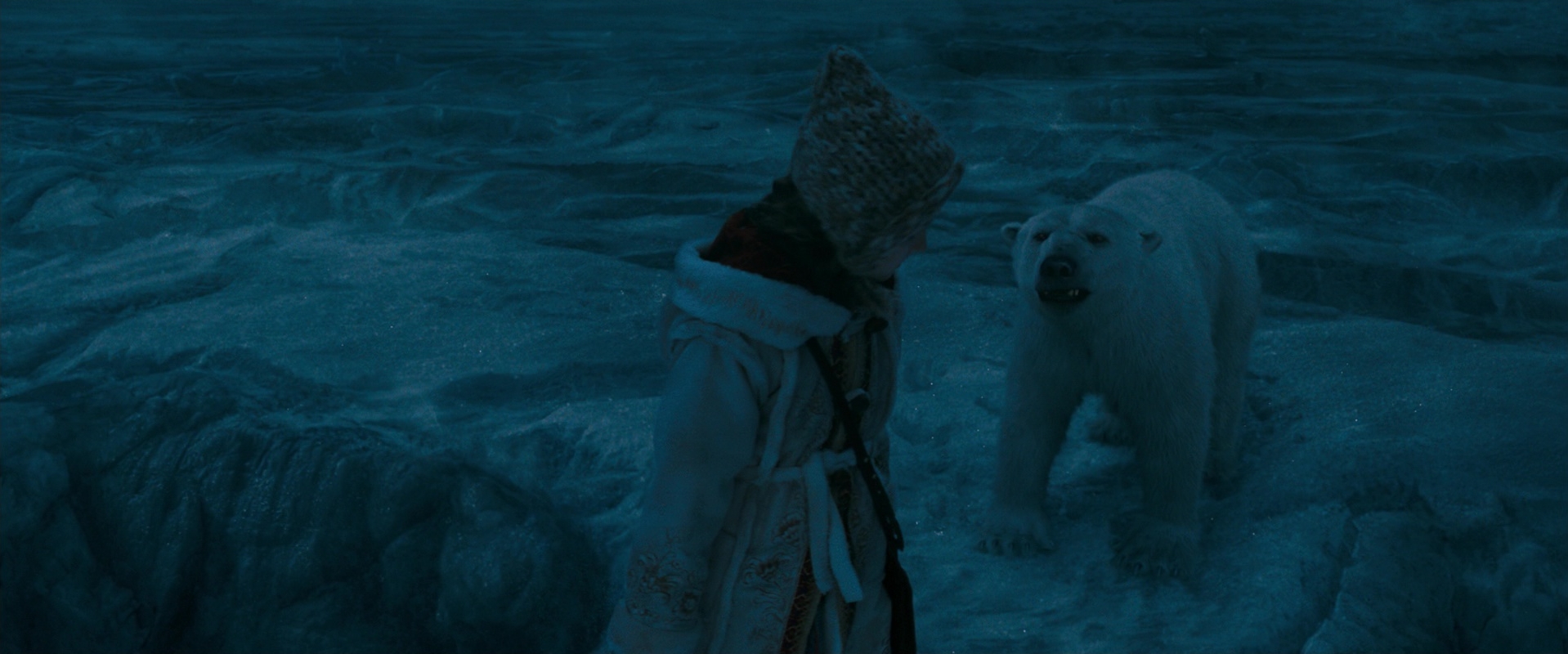
One aspect of film work is that it’s a living process working with the studio and the director, and sometimes you can toil for a year doing amazing work and have all of it get cut. Such was the case on The Golden Compass, where my arctic environment and rendered familiars disappeared, never to be seen again….
Click the White Rabbit to see my full film biography.
And sometimes you have to destroy to create. Yes, I burned the Nebuchadnezzar, among other shots. – Quentin